

Having spent many hours searching the internet, calling concrete suppliers, and trawling over internet marketplaces, I had nearly given up the search for metakaolin in Australia. Recently I plugged the word metakaolin into a Gumtree search, half expecting the same non result… but here in another state was 8 bags of BASF Metamax metakaolin. I messaged the seller, to no response. The ad disappeared. I messaged again just in case, and this time he responded. He needed it gone that week. It was Sunday night and I only had Monday free. I hatched the plan that night, to drive 6 hrs straight, get the goods and come straight back. 12 hrs driving. Cheaper than trying to get it freighted! So that’s what I did.
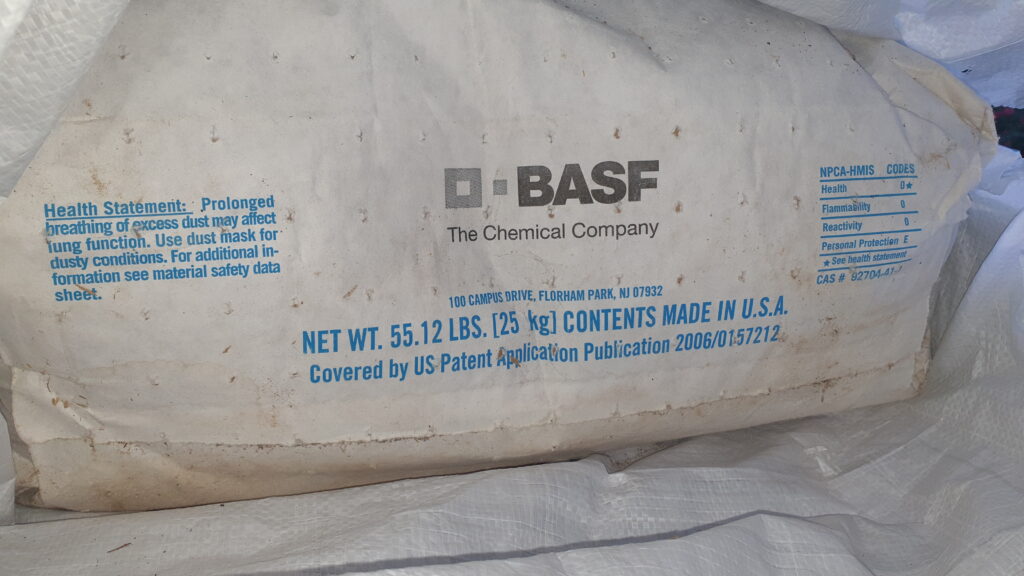
Once I got it home, I tested it with both alkali and acid geopolymer recipes.
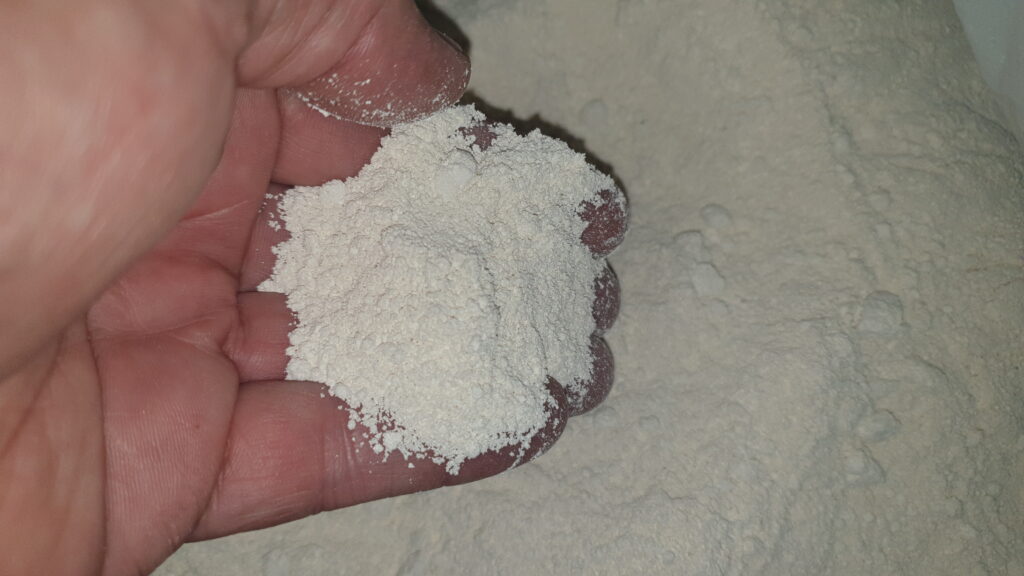
It far exceeded anything else I had ever used. No leaking alkali in the night. Solid, properly cured, super smooth and very hard, like a very fine render or mortar. The samples clinked like ceramic, when cured!
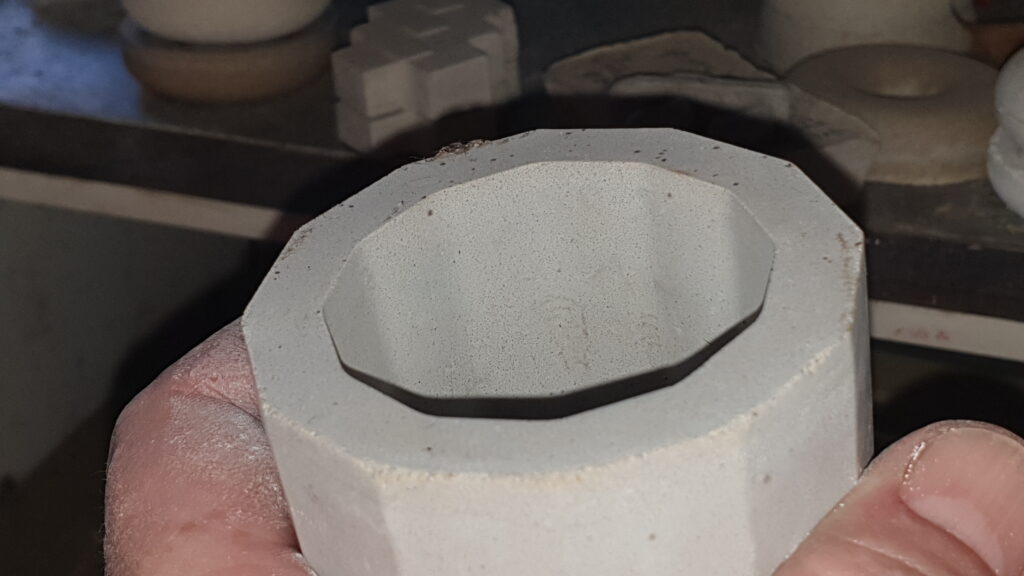
I also added graphene/whey suspension into the test materials, making them electrically conductive. I will be adding a how to make the graphene/whey suspension, in a follow up article.
Below is visual representation of the assumed re-organisation that occurs inside the matrix of a true geopolymer from metakaolin.
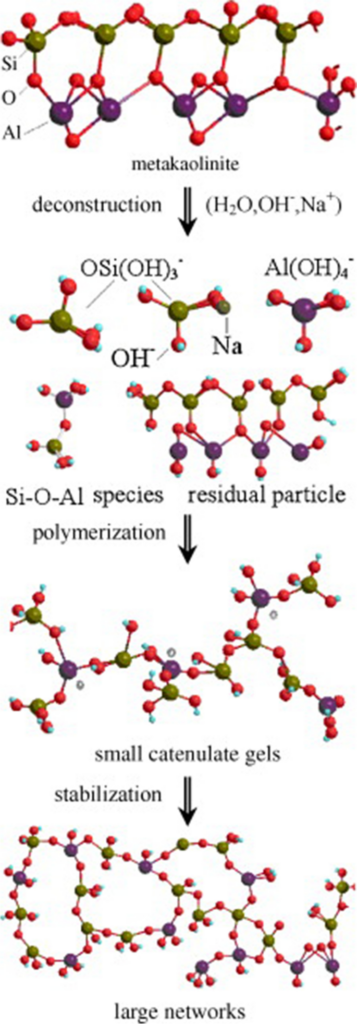
This is why purity of the starting precursors is very important. If say for example your source of calcined clay had a large amount of Calcium in it, reactions would start forming as soon as water was added. Those types of reactions remove alkali needed for the geopolymeric disassembly of the metakaolin. Firing temperature of the starting clay is also important. If too high, less reactive species of mineral like mullite can form. If too low, the hydroxyl groups that need to be driven off in the kiln, won’t all cook out, making the metakaolin less reactive than it could ultimately be. This is why getting good quality materials, with known behaviour for your starting material is essential for getting a baseline. If you don’t know what good, true geopolymer looks and feels like, how will you know if any other cement you create is up to scratch?
This was my conundrum, before having real known reactivity, metakaolin. Sure, I have made some good geopolymer cements with clay that I calcined myself, and even one that didn’t need calcincing, but now that I have a reference, I can move outward from that known standard.
Why is it so hard to source in Australia? I still don’t have a good answer to that question. Now I finally have real metakaolin to play with, and to share the joy, I will be making some of this available for purchase in 1 kilogram lots for Australian customers only.
Leave a Reply